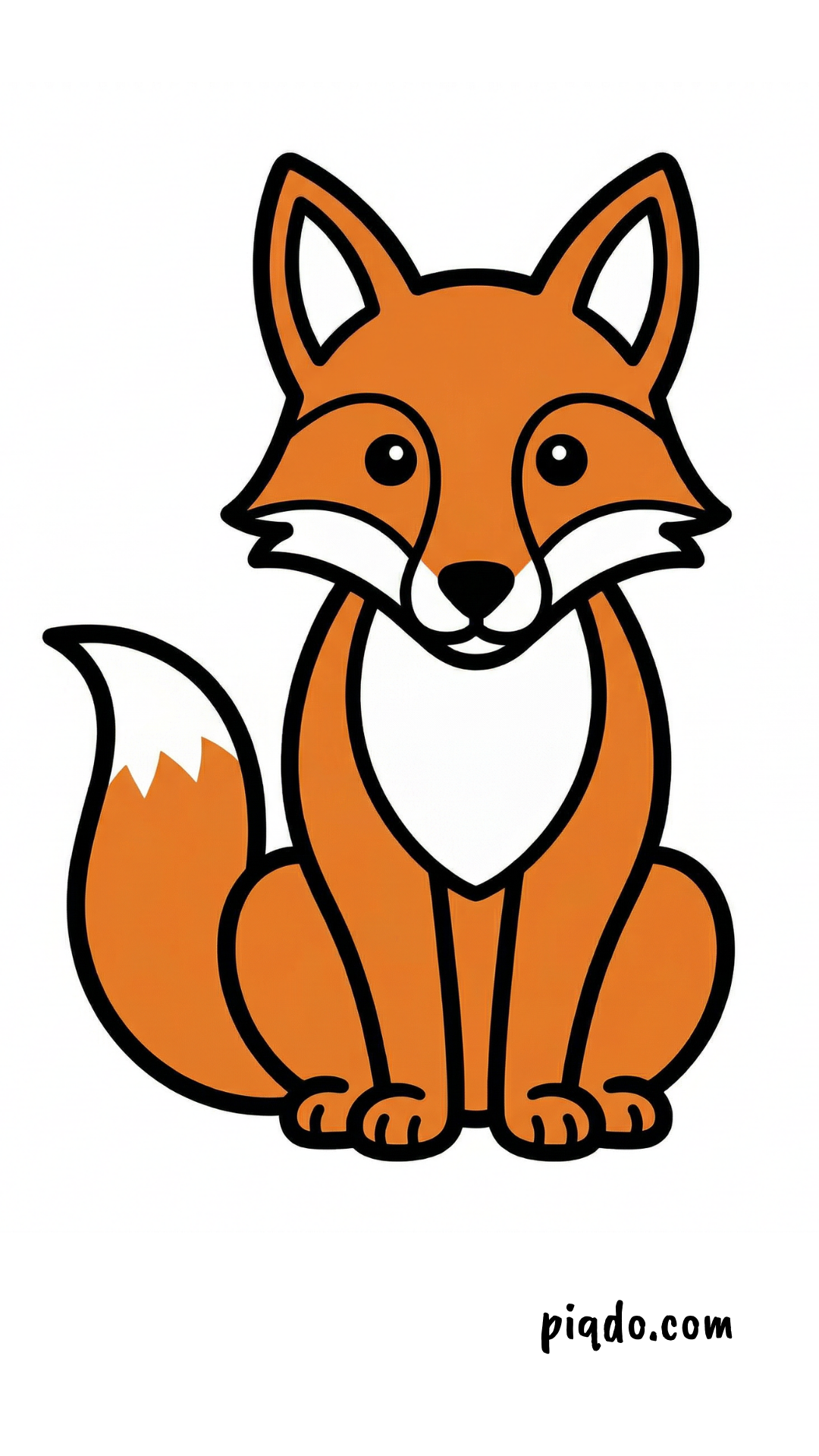
Drawing a fox might seem a little intimidating at first—those sharp features, fluffy tail, and expressive eyes can make you wonder where to even begin. But here’s the thing: once you break it down into simple steps, it becomes surprisingly manageable and, honestly, pretty fun. Think of it like building something out of Lego blocks—you’re not creating the final masterpiece all at once; you’re stacking small, easy shapes until everything clicks together. Whether you’re picking up a pencil for the first time or getting back into drawing after a long break, this guide will walk you through the entire process in a way that feels natural and stress-free. By the time you finish, you won’t just have a fox drawing—you’ll understand how you created it, which is what really builds confidence as an artist.
Materials You Need
Before diving into the drawing itself, let’s talk about your tools. The good news? You don’t need anything fancy or expensive to create a beautiful fox illustration. In fact, keeping things simple often helps you focus more on your technique rather than getting distracted by too many options.
Start with a basic graphite pencil—an HB pencil works perfectly for sketching because it’s light enough to erase easily but still visible on paper. If you have access to softer pencils like 2B or 4B, those will come in handy later when you want to add depth, darker lines, and shading. Think of your HB pencil as your planning tool and your softer pencils as your finishing tools.
Next, grab a good eraser. This might sound obvious, but not all erasers are created equal. A kneaded eraser is especially useful because you can shape it to erase small areas, like highlights in the fur or tiny corrections around the eyes. Instead of just fixing mistakes, you’ll actually use your eraser as part of the drawing process.
Your paper choice also matters more than you might expect. A smooth sketchpad is ideal for beginners because it allows your pencil to glide easily, helping you create cleaner lines. Rough-textured paper can make shading interesting, but it may feel harder to control if you’re still getting used to drawing.
If you’re planning to add color, consider using colored pencils or markers. Foxes typically have a warm orange coat with white and black accents, so even a small set of colors can bring your drawing to life. That said, don’t feel pressured to jump into coloring right away—many beginners benefit from focusing on black-and-white sketches first.
Here’s a quick overview of what you’ll need:
| Material | Purpose |
|---|---|
| HB Pencil | Light sketching and guidelines |
| 2B/4B Pencil | Shading and darker outlines |
| Eraser (kneaded preferred) | Corrections and highlights |
| Sketch Paper | Smooth surface for clean lines |
| Colored Pencils (optional) | Adding color and realism |
The key takeaway here? Your tools don’t define your drawing—your understanding of shapes and structure does. So don’t overthink the materials. Just grab what you have and start.
Steps for Drawing
Now comes the fun part—actually drawing your fox. Instead of trying to create a perfect fox in one go, you’ll build it step by step, starting with simple shapes and gradually adding detail. This approach not only makes the process easier but also helps you understand how complex drawings are constructed.
Step 1: Start with Basic Shapes
Begin by lightly sketching a circle for the head and an oval for the body. These shapes act as your foundation, so keep your lines very light—you’ll refine them later. Add a curved line connecting the head and body to form the neck. Then, sketch a long, sweeping shape for the tail. Think of the tail as a soft wave rather than a stiff line—it should feel fluid and natural.
At this stage, your drawing might look more like a collection of blobs than a fox, and that’s completely normal. You’re not drawing a fox yet—you’re building the structure underneath it.
Step 2: Define the Head and Ears
Now, refine the head shape by slightly tapering the bottom to form the fox’s snout. Add two large triangular ears on top of the head. Fox ears are one of their most distinctive features, so don’t make them too small. They should feel alert and slightly pointed outward.
Draw a vertical guideline down the center of the face to help you place the features symmetrically. This small step makes a big difference in keeping your drawing balanced.
Step 3: Shape the Body and Legs
Next, start defining the body by refining the oval into a more natural fox shape. Add four legs using simple lines at first. The front legs are usually straighter, while the back legs have a slight bend. Keep everything loose—you’re still in the sketching phase.
As you refine the legs, give them a bit of thickness so they don’t look like sticks. Foxes are slender, but they still have structure and weight.
Step 4: Add Facial Features
Now bring your fox to life by adding the face. Draw almond-shaped eyes, a small triangular nose, and a subtle curve for the mouth. The placement of these features matters more than the details, so take your time adjusting them until the face looks balanced.
Here’s a helpful trick: if something feels “off,” it usually is. Trust your instincts and tweak the proportions until it looks right.
Step 5: Refine the Tail and Body Outline
The tail is one of the most expressive parts of a fox, so give it some attention. Make it thick and fluffy, with a slightly pointed tip. Add gentle curves along the edges to suggest fur rather than drawing a stiff outline.
Go over your entire drawing and refine the lines, turning your rough sketch into a cleaner outline. Erase unnecessary guidelines as you go.
Step 6: Add Fur Texture
Instead of drawing every strand of fur (which would take forever), use short, quick strokes along the edges of the body to suggest texture. Focus on areas like the chest, tail, and cheeks where the fur is thicker.
Think of it like sketching flames—soft, flowing, and slightly uneven. This gives your fox a natural, lively appearance.
Step 7: Shade and Add Depth
Finally, add shading to give your drawing dimension. Decide where your light source is coming from, then darken the opposite side. Shade under the body, around the legs, and along the tail to create depth.
Use softer pencils for darker areas and keep highlights where the light hits. This contrast is what makes your drawing feel three-dimensional.
Tips for a Great Drawing
Improving your drawing isn’t just about following steps—it’s about understanding what makes a drawing feel alive. One of the most important tips is to keep your lines loose in the beginning. Many beginners press too hard too soon, which makes it difficult to fix mistakes. Treat your early lines like guidelines, not commitments.
Another powerful tip is to observe real foxes or reference images. Even a quick glance at a photo can reveal details you might not have considered, like how the tail curves or how the ears tilt slightly outward. Drawing from observation trains your eye, which is just as important as training your hand.
Consistency matters more than perfection. Drawing one fox won’t make you an expert, but drawing five or ten will show noticeable improvement. Each attempt teaches you something new, even if it doesn’t feel like it at the time.
Also, don’t underestimate the power of simplification. If something feels too complicated, break it down into basic shapes again. Professional artists do this all the time—it’s not a beginner trick; it’s a fundamental skill.
Here are a few quick reminders to keep in mind:
- Start light, then build darker lines gradually
- Focus on proportions before details
- Use references whenever possible
- Practice regularly, even if it’s just 10 minutes a day
- Don’t aim for perfection—aim for progress
Drawing is a skill, not a talent you either have or don’t. The more you practice, the more natural it becomes.
Final Thoughts
Learning how to draw a fox is more than just completing a single artwork—it’s about understanding a process you can apply to almost anything you want to draw. Once you realize that every complex subject can be broken down into simple shapes, a whole new world opens up. Suddenly, drawing doesn’t feel intimidating anymore—it feels approachable, even exciting.
Your first fox might not look exactly how you imagined, and that’s perfectly fine. What matters is that you started, followed through, and learned something along the way. Each drawing you create builds your confidence and sharpens your skills, even if the progress feels slow at times.
If you stick with it, you’ll notice something interesting: the things that once felt difficult—like proportions, shading, or adding texture—will start to feel natural. That’s when drawing becomes less about effort and more about expression.
So grab your pencil, sketch another fox, and maybe try a different pose or style this time. Experiment, make mistakes, and keep going. Because the real goal isn’t just to draw a fox—it’s to become someone who enjoys the process of creating.
FAQs
1. Is drawing a fox good for beginners?
Yes, foxes are excellent for beginners because they can be broken down into simple shapes while still allowing room for detail and creativity.
2. How long does it take to learn drawing a fox?
You can learn the basics in one sitting, but improving your skills may take several practice sessions depending on consistency.
3. Do I need to use color when drawing a fox?
No, you can create a beautiful fox drawing using just pencil. Color is optional and can be added later.
4. What is the hardest part of drawing a fox?
Many beginners find proportions and facial features the most challenging, but these improve quickly with practice.
5. Can I draw a fox digitally instead of on paper?
Absolutely. The same steps apply whether you’re using traditional tools or digital drawing software.